BTP
One of the largest container terminals in the Southern Hemisphere
Conteúdo relacionado
Who we are
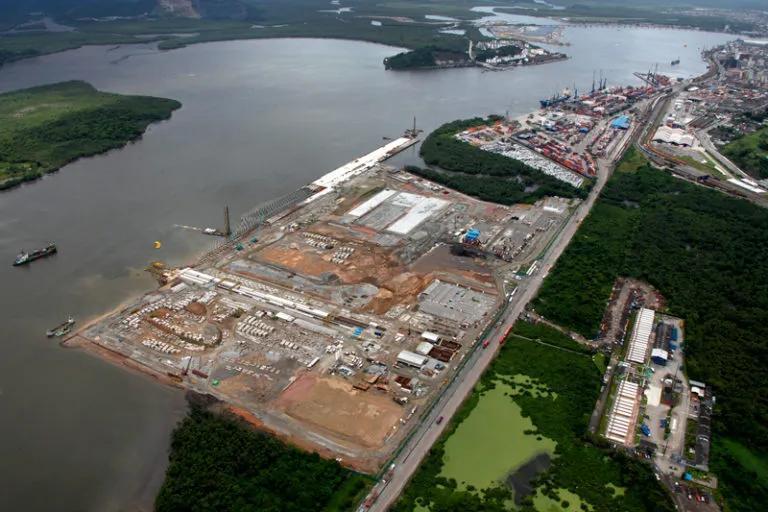
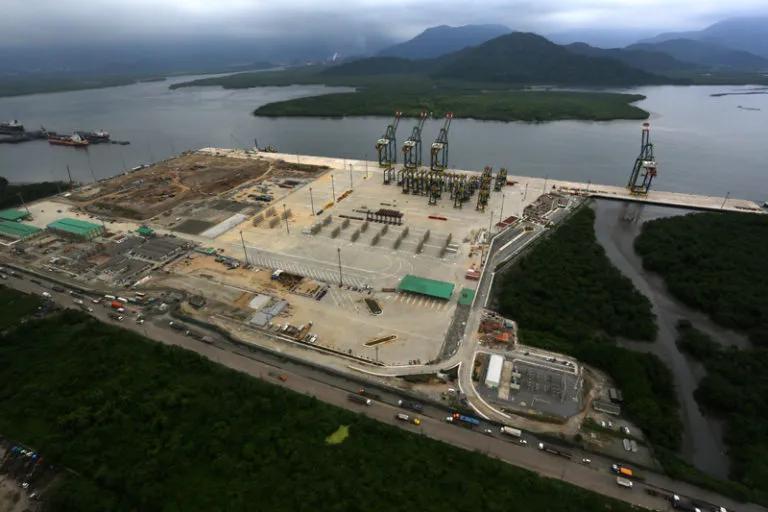
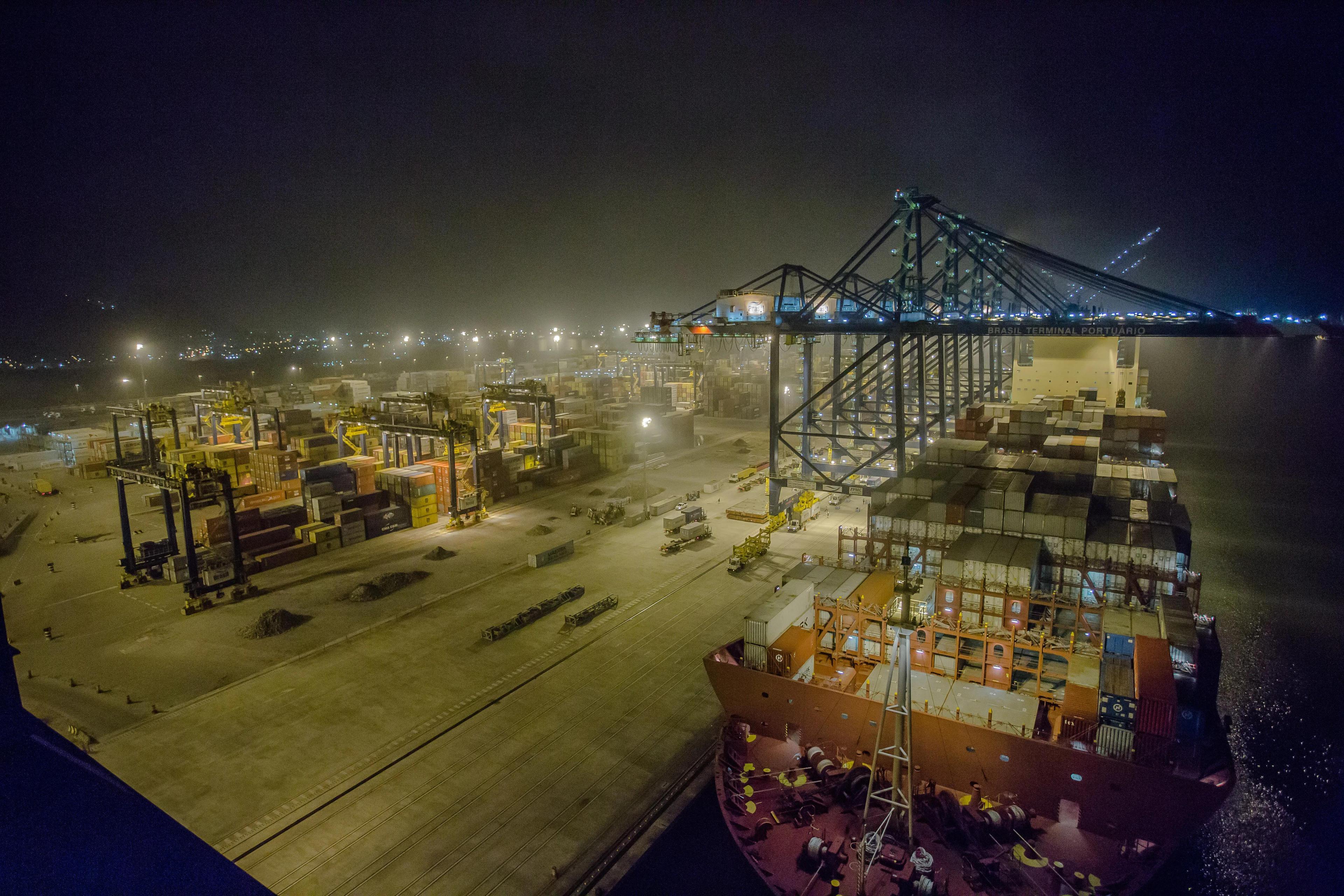
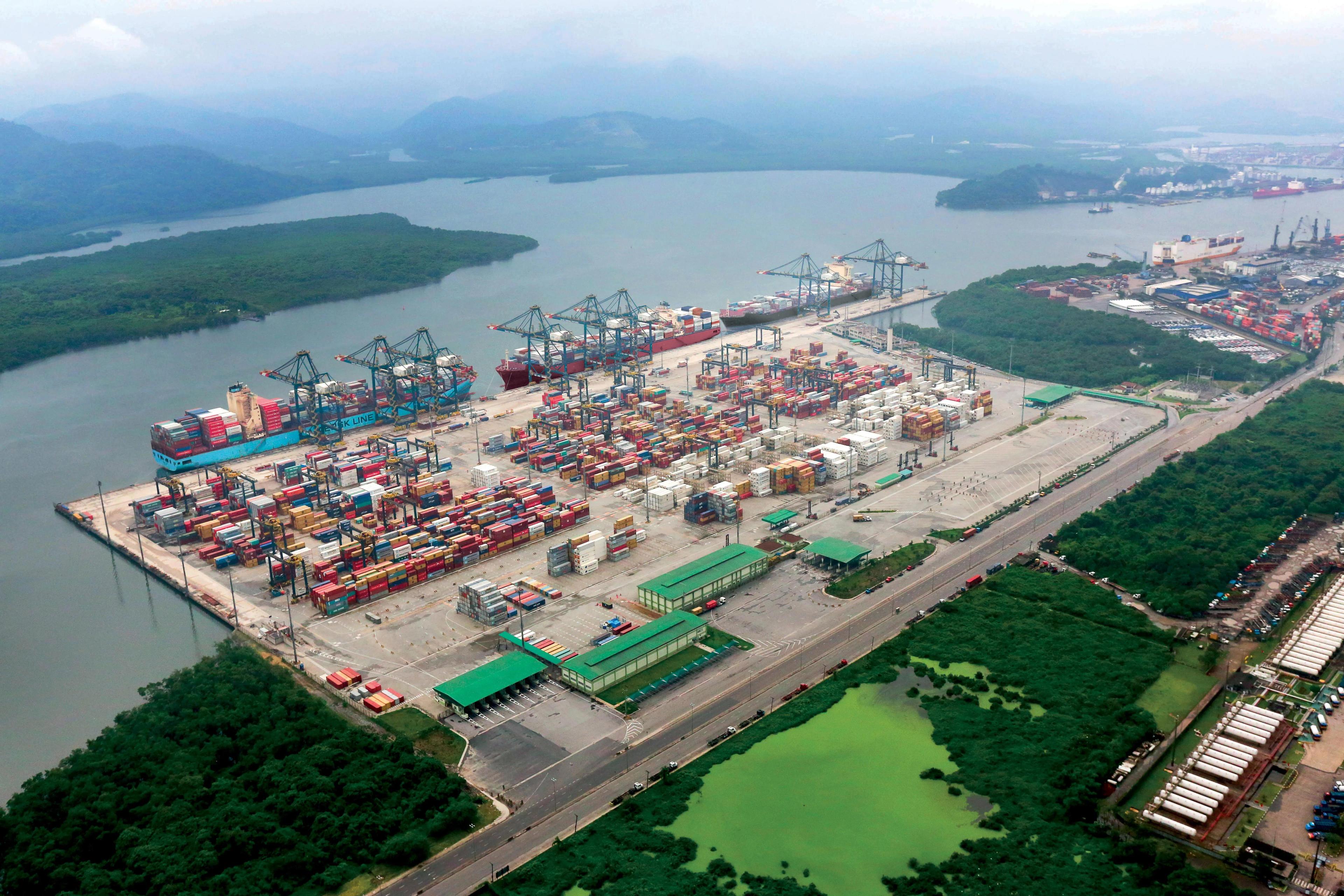
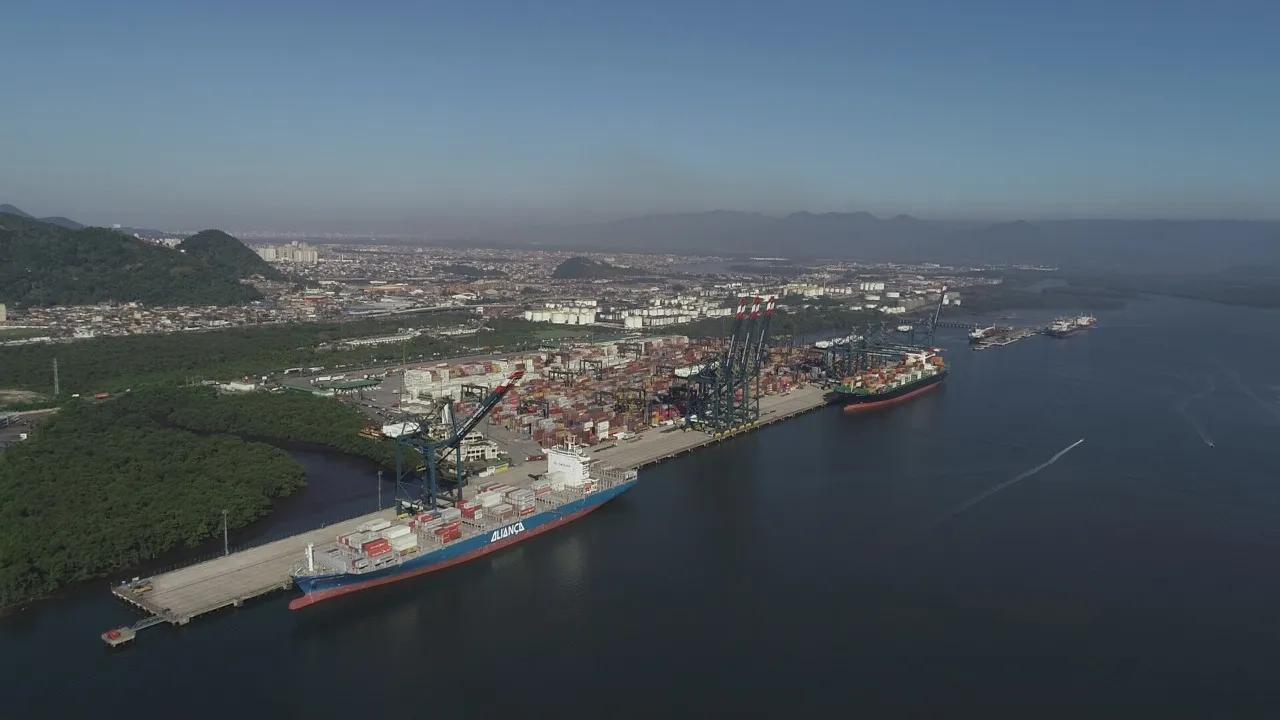
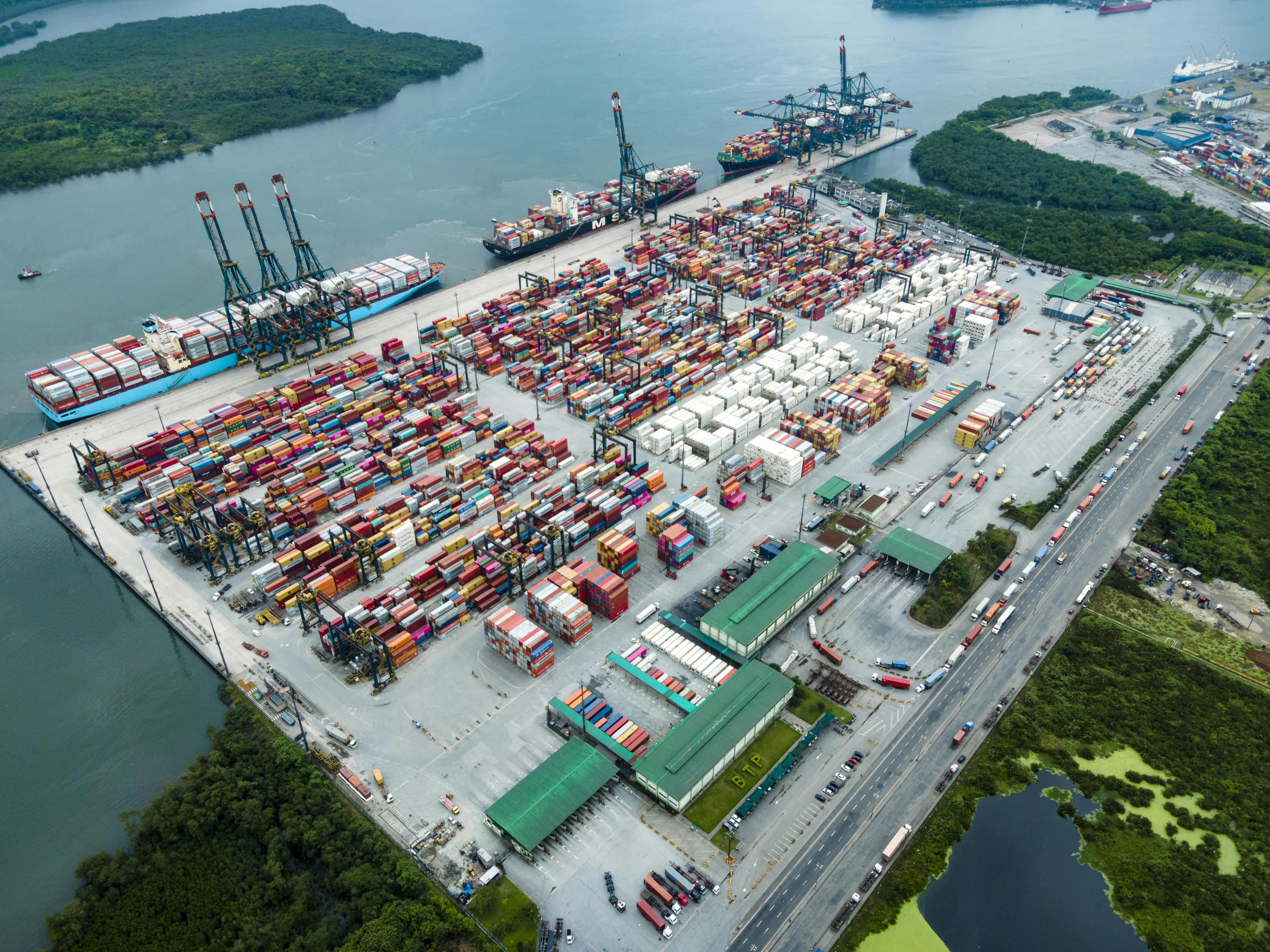
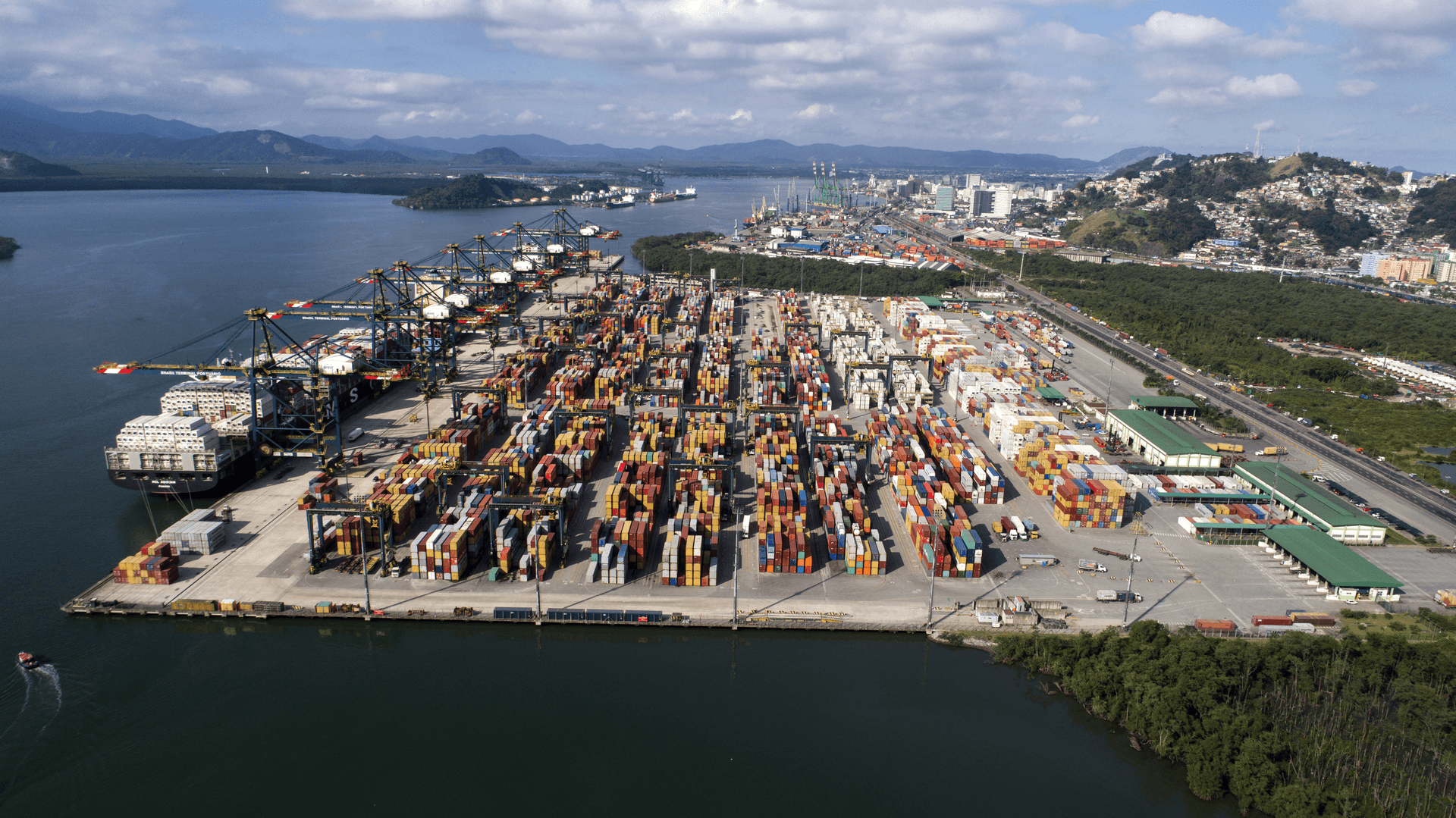
We are Brasil Terminal Portuário (BTP), one of the leading port operators in Brazil, been operating since 2013 at the Port of Santos. Connecting Brazil to the world with modern infrastructure covering 430,000 m² and a capacity to handle 1.5 million TEUs per year. We have a dedicated team of over 1,700 employees, committed to sustainability and safety in all operations.
Our international certifications, such as Authorized Economic Operator (OEA) and Integrated Management System (SGI - NBR ISO 9001:2015, NBR ISO 14001:2015, and ISO 45001:2018) – reflect our ongoing commitment to excellence and responsibility.
BTP Project Evolution


Our shareholders
With an initial investment of US$800 million, we are the result of the union between two global giants in container handling. Terminal Investment Limited (TIL) e APM Terminals This strategic partnership combines innovation, expertise, and a forward-looking vision, propelling BTP as one of the most efficient and connected terminals in Brazil.
Environmental Restoration
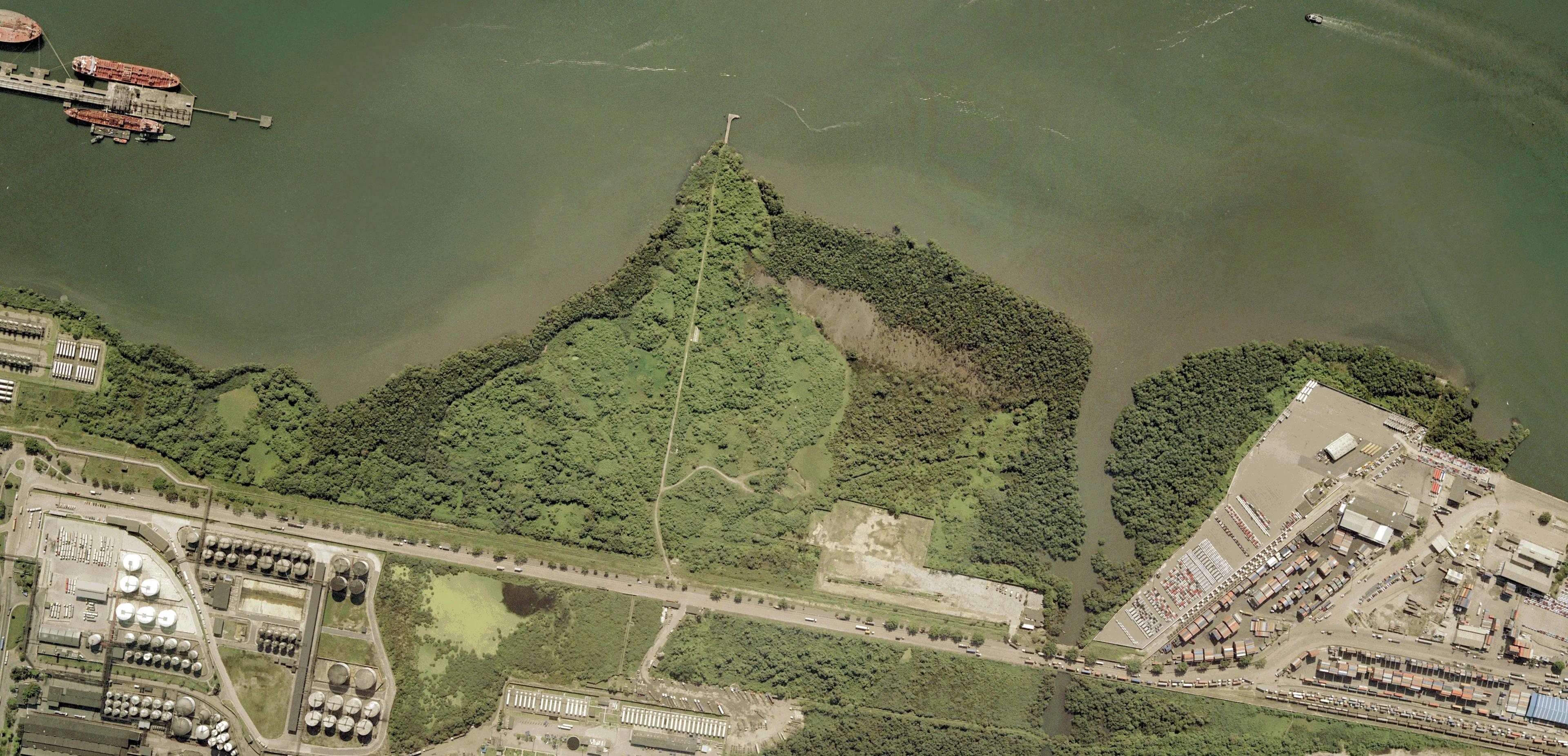
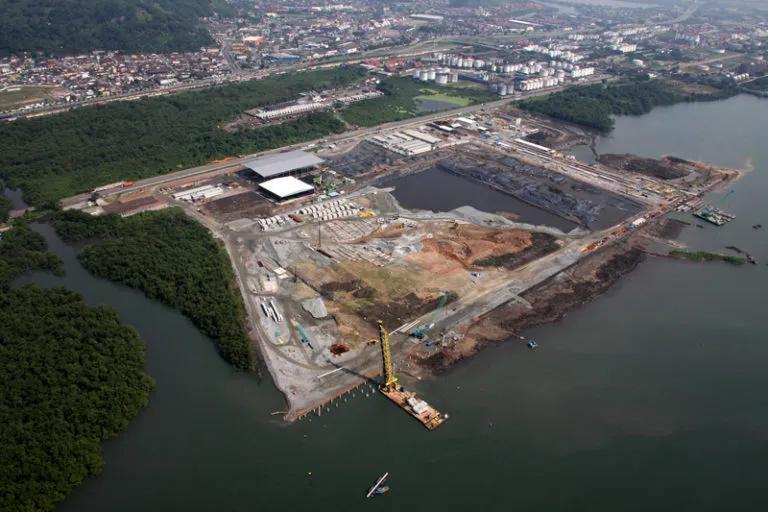
The area where BTP is located was once considered one of São Paulo’s largest environmental liabilities and the biggest in the port area for over five decades. However, in just 30 months, we have transformed an environmentally impacted site into a model of sustainable development under the strict supervision of the Public Prosecutor’s Office, IBAMA, and CETESB.
With this environmental recovery, we have integrated into the economy as a strategic player, boosting not only the Port of Santos but also Brazil’s economic growth.
1.2 Million Tons of Waste Eliminated
Since 2009, we have initiated an intensive soil decontamination process by separating waste. In total, nearly 1.2 million tons of contaminated material has been removed and transported in 17,500 truck trips to the Caieiras (SP) industrial landfill.
R$ 257 Million Invested in Environmental Recovery
In 2012, we completed an R$ 257 million investment in environmental recovery, and in the following year, CETESB officially recognized the success of this initiative.
BTP Project Timeline
Galeria nossa historia